X
xoxojackie
Guest
- Thread Author
- #1
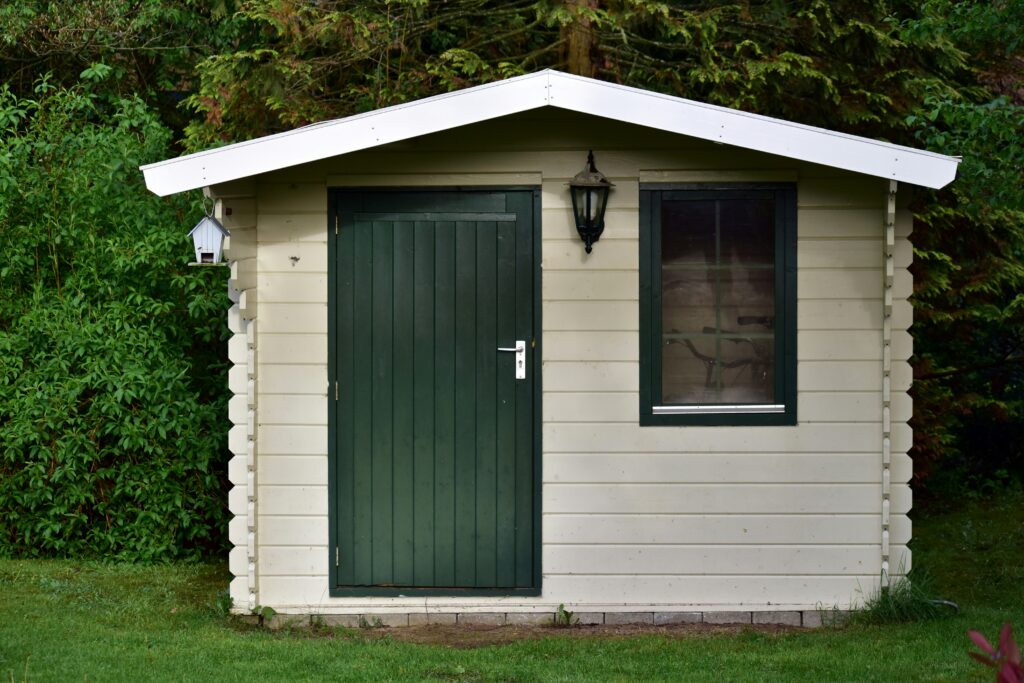
Adding a prefab storage building to my backyard is something I’ve been actively researching lately, and I’m still very much in the discovery phase. The more I dig in, the more I realize there’s actually a lot to think through before you commit. I’m sharing everything I’ve learned so far, because a little homework upfront makes a big difference.
Ries Bosch
1. Delivery Access Can Make or Break Your Project
One of the most common surprises buyers face is delivery logistics. Even if a building is perfectly designed, it still needs to reach your property physically.
Narrow driveways, low-hanging branches, steep slopes, and tight turns can all prevent successful delivery. In some cases, cranes or alternative placement methods may be required, which can add unexpected costs.
Some providers specialize in portable storage buildings delivered, which means they coordinate transport, site placement, and setup as part of a structured delivery process. Still, homeowners should always evaluate site access before finalizing any order.
Key things to check:
• Width and height of access routes
• Ground stability where the building will be placed
• Overhead obstacles like trees or wires
• Distance from road to final location
2. Zoning Rules Are Not the Same Everywhere
Zoning regulations vary widely between counties, cities, and rural areas. A structure allowed in one location may require permits or even be restricted in another.
Common zoning factors include:
• Maximum structure size
• Distance from property lines (setbacks)
• Height restrictions
• Intended use (storage, livestock, workshop, etc.)
Confirming these requirements early keeps your project moving smoothly and helps you land on the right design from the start. Always check with local authorities before committing to a specific design.
3. Foundations Are More Important Than Most People Think
Many buyers assume prefab buildings can be placed on any flat surface. While some small units can sit on basic pads, larger structures require proper foundation planning.
Common foundation types include:
• Gravel pads
• Concrete slabs
• Pier systems
• Skid foundations
A properly prepared base ensures stability, protects against moisture, and extends the lifespan of your building significantly.
4. Customization Has Limits (Even When It Feels Flexible)
Prefab does not always mean fully customizable. While many manufacturers offer a wide range of options, there are still structural limitations.
Typical customization options include:
• Doors and window placement
• Roof styles
• Exterior siding materials
• Interior shelving or partitions
Changes to structural dimensions or load-bearing design are often restricted, so understanding what’s adjustable from the start helps you find the right fit from the beginning.
5. Hidden Costs Can Add Up Quickly
The listed price of a prefab building is rarely the final cost. Several additional expenses may apply depending on your site and requirements.
Possible extra costs include:
• Site preparation and leveling
• Permits and inspection fees
• Delivery charges based on distance
• Foundation installation
• Electrical or insulation upgrades
Requesting a full cost breakdown upfront gives you a much clearer picture of your total investment before you commit.
6. Climate and Material Choice Matter More Than Design
Where you live plays a major role in determining which materials and designs are suitable. A structure that performs well in a dry climate may struggle in high-moisture or high-wind areas.
For example:
• Metal siding offers durability but may require insulation
• Wood structures provide flexibility but need regular maintenance
• Ventilation becomes critical in humid regions
In agricultural areas or rural properties, working with experienced custom horse barn builders can help ensure the structure is designed to withstand local weather conditions while meeting specific livestock or storage needs.
7. Long-Term Use Should Guide Your Decision
Many buyers focus on immediate storage needs without considering how their usage may change over time. A building that works today might feel too small or limited in just a few years.
Before purchasing, consider:
• Will you expand storage needs later?
• Could the building serve multiple purposes?
• Is vehicle or equipment storage needed in the future?
• Will livestock or agricultural use be added later?
Thinking ahead helps ensure your investment stays useful and valuable for years to come.
Final Thoughts
Prefab storage buildings offer real convenience, efficiency, and flexibility, and going in informed makes all the difference. Understanding delivery logistics, zoning laws, foundation needs, customization options, full costs, material selection, and long-term planning sets you up for a purchase you’ll feel great about. I’ll be sharing updates here as my research continues!
The post The 7 Things Nobody Tells You Before Buying a Prefab Storage Building appeared first on xoxojackie.com.