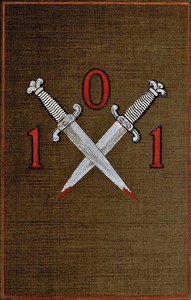
"No. 101" by Wymond Carey
Wymond Carey's No. 101 is a quiet thriller that sneaks up on you. Published in the early 20th century, it doesn't rely on car chases or gunfights. Instead, it builds a gripping sense of dread from the simple premise of a man caught in a web he doesn't understand.
The Story
The story follows Arthur Bexley, a meticulous and somewhat timid accountant. His orderly world is shattered by an anonymous letter bearing only the address 'No. 101' and a time for a meeting. Out of a mix of curiosity and a sense of obligation he can't explain, Arthur goes. He finds himself in a sparse office facing calm, polite men who know unsettling details about his life. They don't threaten him outright. Instead, they present him with a 'proposition'—a series of small, seemingly harmless tasks that slowly erode his principles and pull him deeper into their operations. As Arthur completes each task, the stakes get higher, and the organization's true, ambiguous purpose looms larger. The central mystery isn't about a stolen jewel or a murder; it's about the nature of 'No. 101' itself and what they ultimately want with an ordinary man like Arthur.
Why You Should Read It
What makes this book stick with you is Arthur. Carey writes him so well. You feel his anxiety, his rationalizations, and his growing panic as his choices narrow. It's a brilliant study in psychological pressure. The 'villains' aren't mustache-twirling monsters; they're chillingly bureaucratic, which makes them feel more real and more threatening. The book asks big questions about free will, compliance, and how far a good person might go when pushed by unseen forces. It's surprisingly modern in its themes, feeling less like a dusty old novel and more like a sharp, relevant character study.
Final Verdict
This isn't a book for readers who need constant action. It's a slow-burn, character-driven puzzle. No. 101 is perfect for anyone who loves stories about moral dilemmas, psychological suspense, or historical fiction that explores the dark corners of society. If you enjoyed the tense, creeping dread of novels like The Prisoner or stories about ordinary people in extraordinary circumstances, you'll find a hidden gem here. It's a thoughtful, gripping read that proves sometimes the quietest stories are the most unsettling.
This book is widely considered to be in the public domain. You can copy, modify, and distribute it freely.