
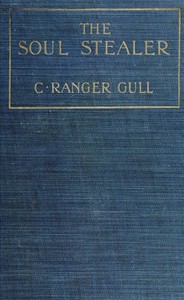
The Soul Stealer by Guy Thorne
Let me set the scene for you: London, the early 1900s. The world is buzzing with new scientific discoveries, but old superstitions still linger in the shadows. This is where we meet Sir Paul Cazalet.
The Story
Paul is a man at the end of his rope. He's a respected scientist, but he's broke and heartbroken over Lady Dora, who is engaged to a richer man. In a moment of pure despair, he decides to take the ultimate shortcut. Inspired by old legends, he constructs a bizarre electrical apparatus designed to do the unthinkable: detach his immortal soul from his body so he can offer it up for sale. And someone—or something—answers the call.
The bargain is struck. Almost instantly, Paul's fortunes reverse. He becomes phenomenally wealthy through a lucky investment, his rival conveniently dies, and Dora agrees to marry him. He has it all. But he's now a shell of a man. The warmth, the passion, the very essence of what made him *him* is gone. He's left with a cold, clinical existence, watching his own life like a stranger. The rest of the story is his frantic and terrifying journey to reclaim what he so carelessly gave away, facing consequences far more sinister than he ever imagined.
Why You Should Read It
What grabbed me wasn't just the Gothic chills (though there are plenty), but the painfully human question at its core: what would you trade for your deepest desire? Thorne isn't writing about a mustache-twirling villain; he's writing about a smart, flawed man who makes one catastrophic, selfish decision. Paul's slow realization that his 'success' is a prison is genuinely haunting. The book also has this fascinating friction between science and spirituality. Paul uses cutting-edge (for 1915) technology to broker a medieval-style pact, which feels oddly relevant in our own tech-obsessed age. It's a fast-paced read—Thorne doesn't waste words—but the ideas it plants in your head will simmer long after you close the cover.
Final Verdict
Perfect for readers who love classic supernatural horror with a psychological punch. If you enjoy the moral dilemmas of stories like 'The Picture of Dorian Gray' or the eerie, atmospheric dread of early M.R. James, you'll feel right at home here. It's also a great pick if you're curious about early 20th-century popular fiction—it's a gripping snapshot of the fears and fascinations of its time. Just maybe don't read it right before bed if you're prone to wondering about the price of your own dreams.
This text is dedicated to the public domain. Knowledge should be free and accessible.
Anthony Walker
6 months agoI came across this while browsing and it creates a vivid world that you simply do not want to leave. Highly recommended.





Barbara Jones
2 weeks agoI didn't expect much, but the character development leaves a lasting impact. Highly recommended.