
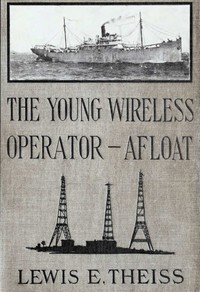
The Young Wireless Operator—Afloat by Lewis E. Theiss
Let me set the scene for you: it’s the early 1900s. Wireless telegraphy—sending messages through the air without wires—is the absolute cutting edge of technology. It’s magic. Into this world steps Charley Russell, a bright, capable 16-year-old who lands a dream job as the wireless operator on the steamer Helen. He’s thrilled to be working with this amazing new tool, responsible for the ship's communications. But the job description changes fast.
The Story
What starts as a technical job aboard a cargo ship sailing from New York quickly becomes a crash course in international intrigue. Charley begins to intercept strange, coded messages. He notices suspicious passengers who seem far too interested in his wireless room. Before he knows it, he and the ship's officers realize they have foreign agents on board, agents who want to use the ship’s wireless to spy on American naval preparations as the world inches toward war. The story becomes a cat-and-mouse game on the high seas. Charley isn’t a soldier; he’s a kid with a key piece of equipment. He has to think on his feet, using his knowledge of the wireless to outmaneuver the spies, protect sensitive information, and help bring them to justice, all while keeping up his regular duties.
Why You Should Read It
First, it’s a fascinating look at a time when a single piece of technology felt revolutionary. Theiss writes about the wireless with genuine awe, and you feel Charley’s excitement. Second, Charley is a fantastic hero. He’s not superhuman. He’s smart, diligent, and brave in a very realistic way. He makes mistakes, gets scared, but always tries to do the right thing. The book is really about competence and patriotism in an everyday package. There’s no flashy action, but the suspense comes from the quiet tension of coded messages and suspicious glances. It celebrates clear thinking and technical skill.
Final Verdict
This is a perfect pick for readers who love historical adventure, especially from the early 20th century. It’s great for anyone interested in the history of technology or communications. Young adult readers will connect with Charley’s age and responsibilities, but it’s a satisfying read for adults, too, offering a nostalgic and gripping slice of pre-WWI life. If you enjoy stories where intelligence and integrity win the day, and you don’t mind a slower, character-driven pace, you’ll find this old book surprisingly fresh and engaging.
You are viewing a work that belongs to the global public domain. You do not need permission to reproduce this work.
Mason Gonzalez
1 year agoNot bad at all.
Ethan Brown
1 year agoThanks for the recommendation.






Patricia Moore
10 months agoSurprisingly enough, the content flows smoothly from one chapter to the next. Exactly what I needed.