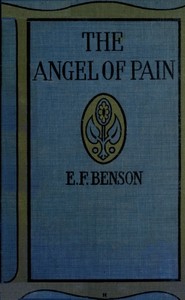
The Angel of Pain by E. F. Benson
E. F. Benson’s The Angel of Pain is one of those novels you stumble on and instantly wonder why nobody talks about it. It’s not loud or gory, but it gets under your skin in the best way. Think of it as an Edwardian psychological thriller, but without the moody detectives. Instead, you get a family wrestling with devotion, jealousy, blindness, and a strange, invisible force that might be divine or might just be their own worst impulses.
The Story
The Charnwood clan is split. The mother, Mrs. Charnwood, runs the household with an iron grip wrapped in piety. Her older son, Jim, is straightforward and decent, a man of action. Then there’s Arthur, the younger son – sensitive, artistic, and consumed with an idea he can’t let go: paying for his sins with suffering. Arthur is convinced he has a spiritual guide called the Angel of Pain, a force that rewards him by letting him endure agony for others. Sounds noble, right? But here’s where Benson plays tricks on you. Arthur’s ‘sacrifice’ starts hurting the people around him – especially his new sister-in-law, Clara, who sees through his righteousness. The story thickens with secrets, a doomed romance, and a haunting showdown that blurs the line between saint and monster.
Why You Should Read It
For me, the magic is in how Benson makes virtue look terrifying. Arthur isn’t bad – not on the surface. He wants to be holy. But the book sneaks in the question: Is self-punishment still selfish when it drags everyone else into misery? The characters all have such real, messy wants. Clara is particularly brilliant – smart, frustrated, spiky. She’s stuck in a world where women ‘know their place,’ and watching chip away at Arthur’s act is super satisfying. Also, the prose? Lean. Un-showy. You blink and some eerie line catches you off guard. The story builds at a slow tilt – it’s like watching a pot start to boil… you know it’s coming, but you’re not ready when the lid actually pops off.
Final Verdict
If you’ve ever thought Victorian or Edwardian novels were boring, The Angel of Pain might change your mind. It’s for readers who love character studies disguised as ghost stories, someone who looks close at obsession – old-school Shirley Jackson fans, folks who like Picnic at Hanging Rock for the dread. Yes, it has olde-style language, but give it ten pages and the weird, dark pull will get you. Perfect for: fans of classic horror, ethical dilemmas with fangs, and anyone who’s ever wondered if doing good is its own wicked trap. Just keep the lights on halfway through – not for monsters, but for what a sweetheart’s fixation can do to a human heart.
This text is dedicated to the public domain. It serves as a testament to our shared literary heritage.